Thermal Modelling
Building physics is the understanding of how buildings perform in the real world. For us, we are interested in modelling the building in terms of temperature, air, light and energy performance. We specialise in providing building performance modelling through all stages of the project – from pre-planning through to operational buildings. Building modelling is carried out as a design tool to enhance the building performance, and for compliance checks.
We use the IES-VE software and our engineers are accredited in the use of the packages. The software is accredited for providing energy calculations in the UK as well as a number of other countries.
We use thermal modelling software as standard on all our projects.
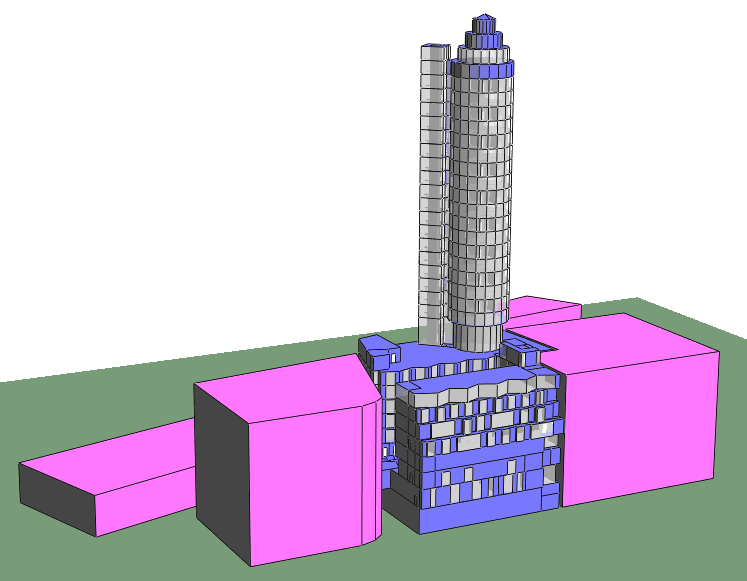


Generally we use modelling to inform and assist the design process including:
- energy calculations
- heat loss/gain calculations
- plant selection
- daylight calculations for window optimisation
- natural ventilation anlaysis
- thermal mass behaviour
- night time ventilation and free cooling review
Why carry out building modelling?
Building modelling is a valuable tool for the client and the design team. Early stage analysis can help the design team to enhance the building form, façade and services strategy. Analysis of the options available can assist the team in making key decisions. The benefits of building modelling for the design team are improved decision making, greater confidence in the final building performance, better plant selection and a better understanding of the building thermal performance for all seasons.
For the client, risk analysis of value engineering decisions in the early stages of a project can help advise on the impact on building performance, lower energy consumption and carbon emissions – a better performing building which hopefully will lead on to increased productivity.
Services we can provided include:
- energy assessments
- dynamic thermal modelling
- overheating analysis
- energy compliance (including building regulations part L and energy performance certificates)
- daylight assessment
- ventilation strategies
Please contact us to see how we can help you.
 The Engineering Workshop LLP